Today: EMDR Therapy Mainteance App

Carnegie Mellon University
Master's Thesis

2024-2025

Overview

Designing a trauma-informed EMDR therapy maintenance app

A year-long Master's thesis exploring how trauma-informed design principles can support the translation of Eye Movement Desensitization and Reprocessing (EMDR) therapy into a safe digital experience.

EMDR is a psychotherapy approach used to treat post-traumatic stress disorder (PTSD) and other trauma-related conditions. While many digital tools attempt to replicate EMDR techniques, few prioritize user safety, clinical fidelity, or trauma-informed design practices.

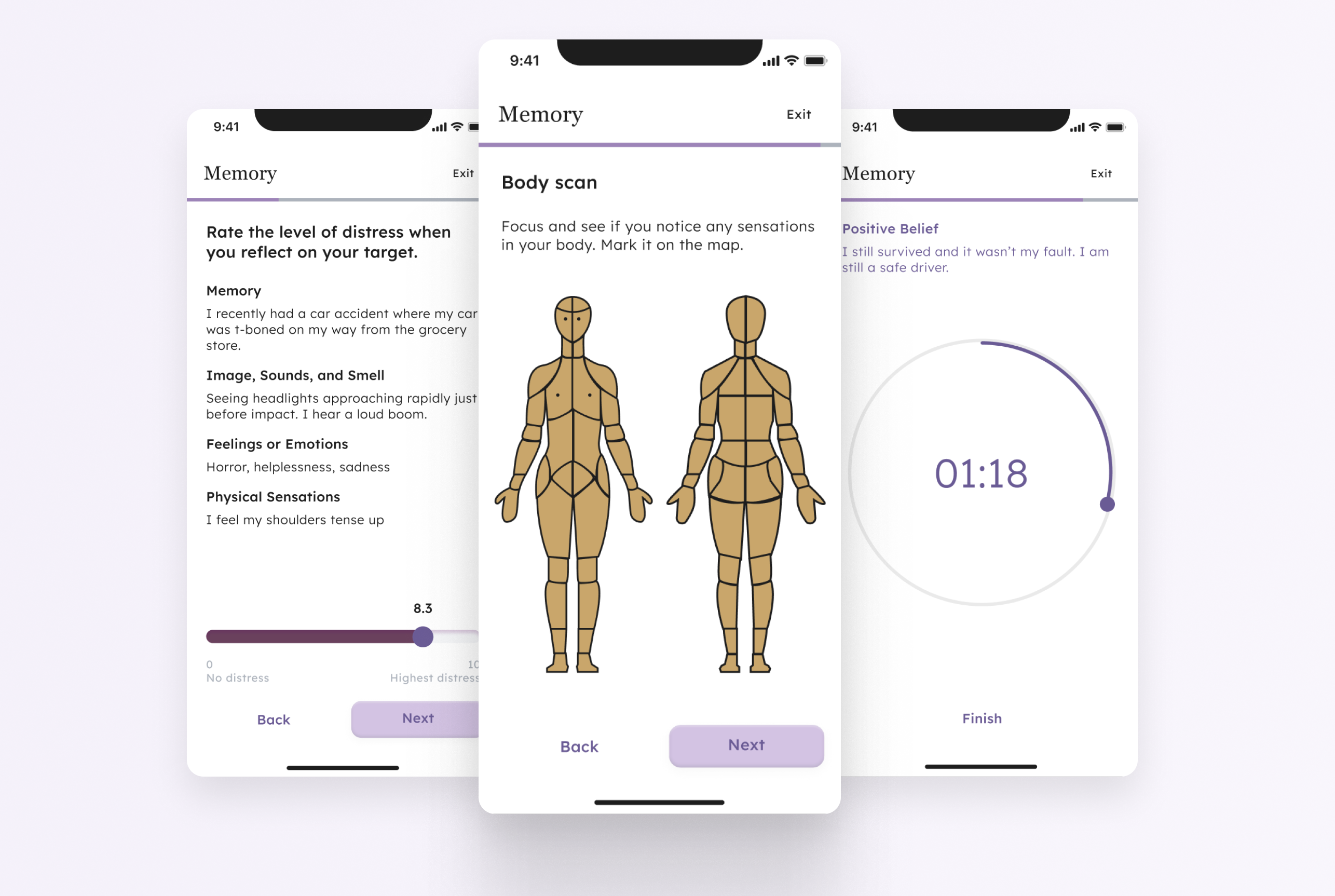
Through research, expert collaboration, and iterative prototyping, this thesis explored how a digital product could support therapy maintenance for individuals who have already undergone EMDR treatment. The result is “Today,” a mobile prototype designed to help users practice emotional regulation, reflect on beliefs, and maintain therapeutic progress in a trauma-informed way.

The design process incorporated feedback from a professor of psychiatry, two EMDR therapists, and an EMDR practitioner to ensure the experience remained clinically respectful and ethically grounded.

Role

Interaction designer, researcher

Focus

Trauma-informed digital therapy

Duration

1 year Master's thesis

Outcome

Mobile prototype,
Trauma-informed design principles

Final Presentation

Watch my my final presentation video below.

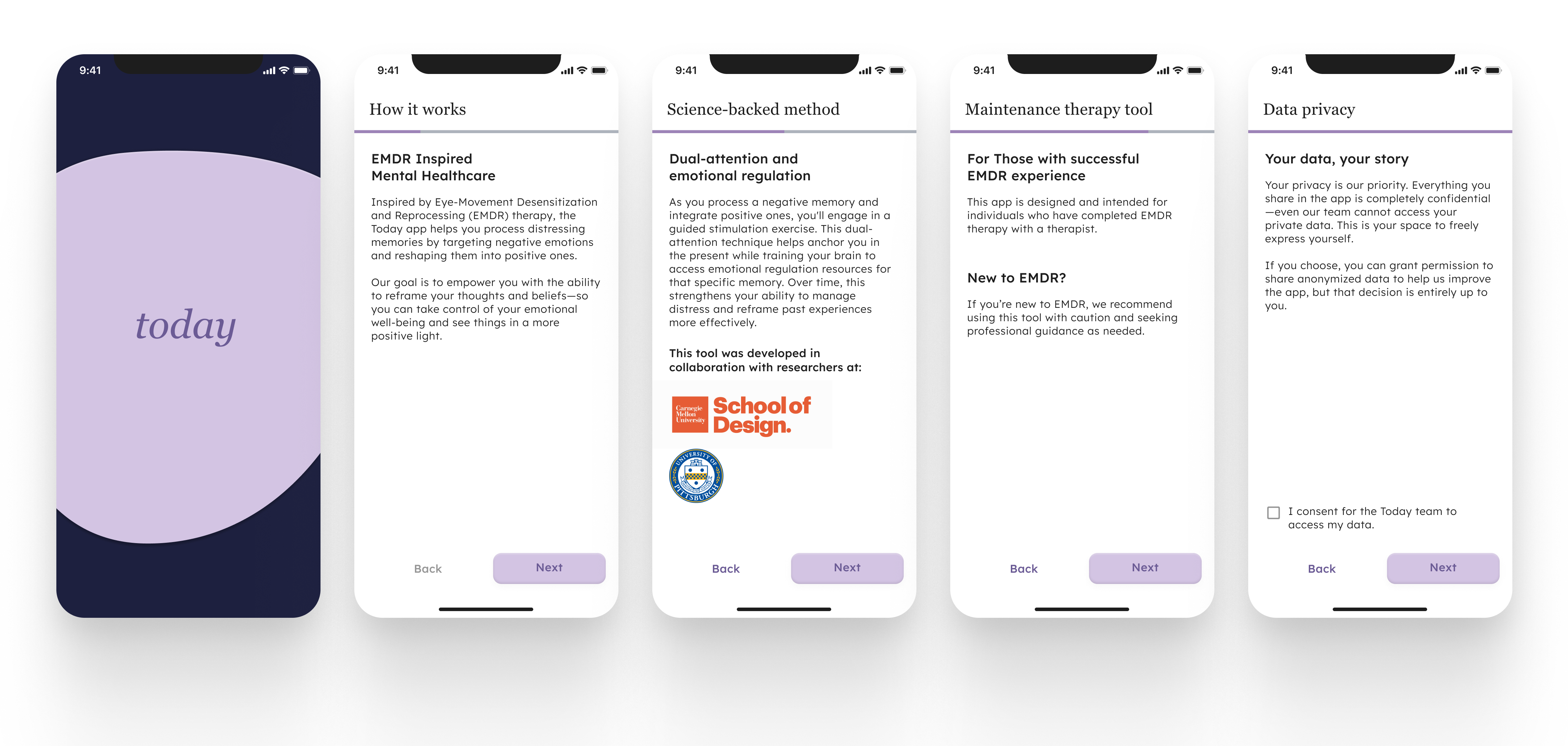
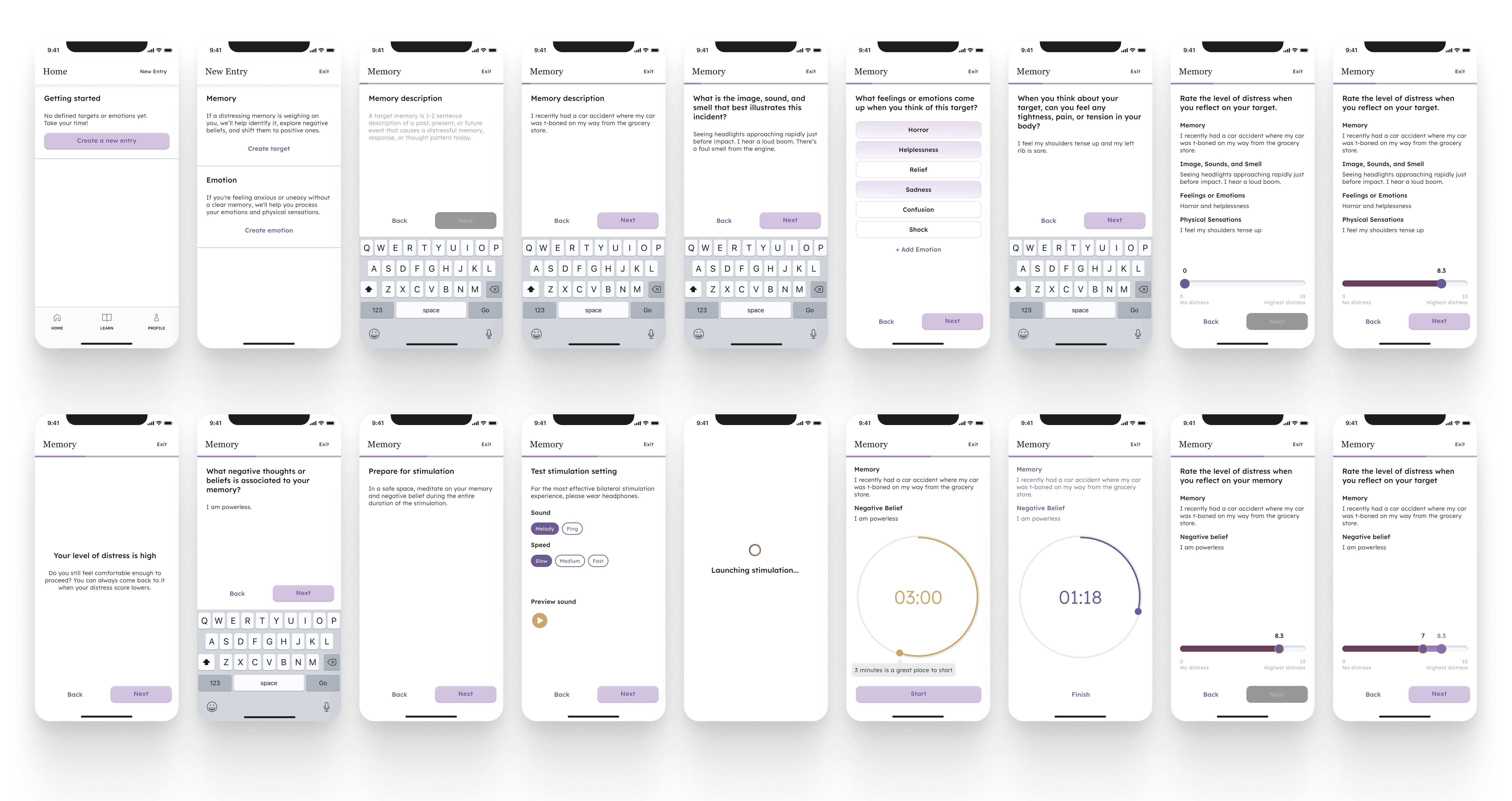
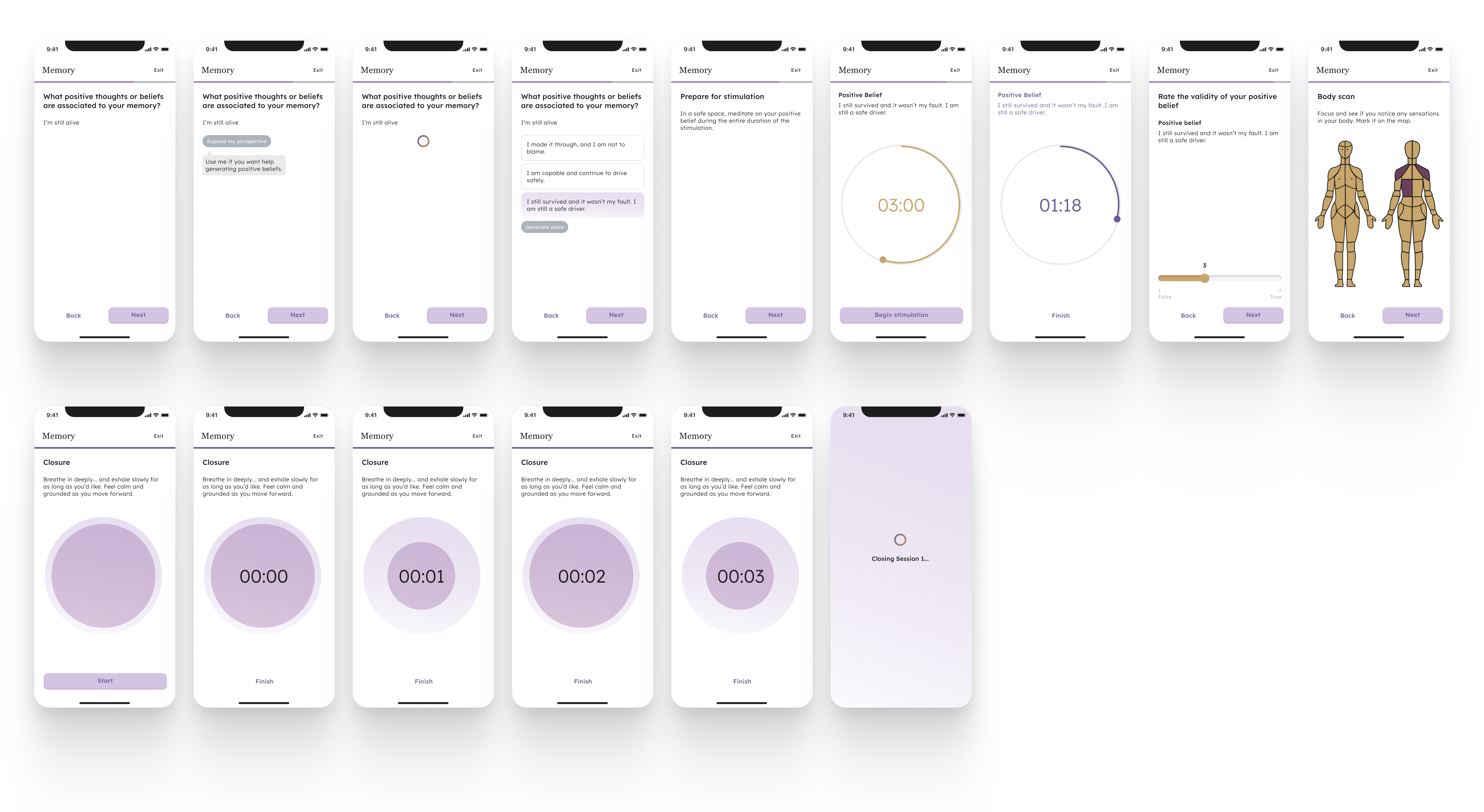
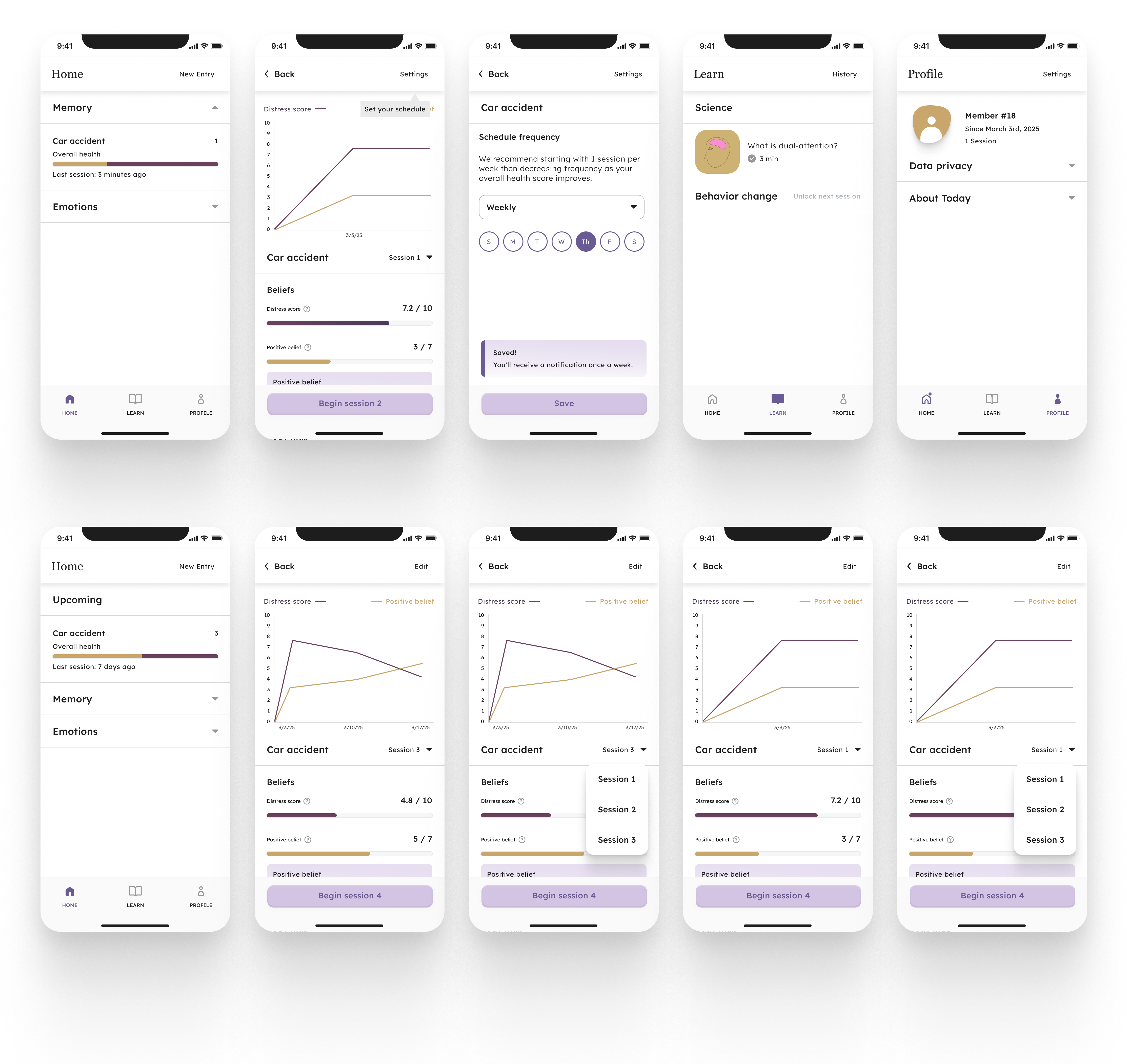
The final app prototype includes onboarding, a daily check-in routine, tools for identifying negative and positive beliefs, and progress tracking and scheduling—designed using trauma-informed principles.

Skip to 5:47 to view full click through prototype walk through

Swift Animation

Designing motion interactions that support emotional safety

My background in animation allowed me to translate trauma-informed principles into motion design using SwiftUI and After Effects. Interactions were intentionally designed to feel gentle, predictable, and respectful, reducing cognitive stress while guiding users through therapeutic exercises

Key Learnings

Translating EMDR therapy into a digital environment revealed that clinical accuracy and emotional safety must be the foundation of any therapeutic product.

Through collaboration with clinicians and iterative prototyping, the project evolved from an initial concept of a self-guided EMDR tool to a therapy maintenance application designed for users who have already undergone EMDR treatment.

This shift ensured the experience respected both the clinical integrity of EMDR protocols and the emotional safety of users, resulting in a prototype grounded in trauma-informed design principles.